Complete Home Customization A Beginner's Guide to Choosing the Right Hardware
When it comes to hardware, ignorance can be costly in home customization. The choice of hardware directly impacts the lifespan of cabinets and the overall user experience. Today, let's delve into the essential aspects of hardware selection and the pitfalls to avoid.
Home customization hardware can be categorized into basic and functional components.
I. Hinges: The Lifespan Determinant
Within hinge hardware, the choice of hinges plays a pivotal role in determining the lifespan of cabinets. The disparity between branded and miscellaneous hinges is substantial. Many inexpensive hinges exhibit rough surfaces, sharp edges, and are prone to rust, deformation, and detachment over time. Consider the following when selecting hinges:
- Prioritize stainless steel material, preferably nickel-plated for corrosion resistance and high strength.
- Opt for hinges with dampers to prevent impact shocks, ensuring safety and quiet operation. Dampened hinges come in single and dual-force varieties. While single-force hinges offer cushioning, they may exhibit noticeable sway during wide-angle openings. Dual-force hinges, on the other hand, allow for controlled stops at specific angles, enhancing longevity.
II. Slides: Fundamental Components
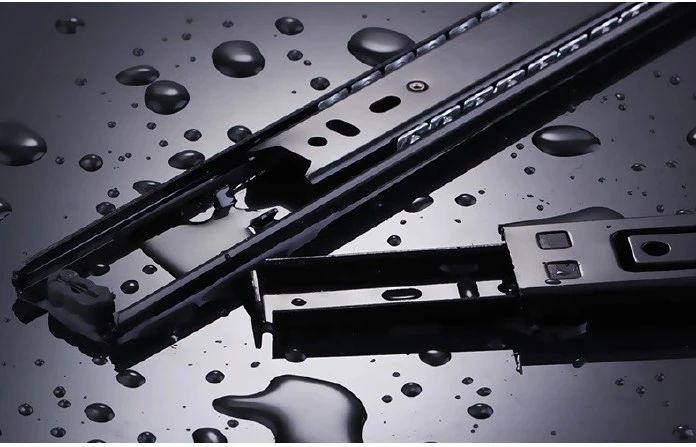
Slides, also known as runners, are crucial components, primarily used in drawers. Common types include side-mounted slides (two/three-section), bottom-mounted slides, and horse-riding axles. For wardrobe drawers, side-mounted three-section slides are typically sufficient. Prices for domestically produced side-mounted slides range below 50, while imported ones fall between 100 and 300. Horse-riding axles provide optimal weight-bearing capacity, smooth operation, but come at a higher price, making them more suitable for cabinets. Domestically produced horse-riding axles range from 150 to 300, while imported ones vary from 300 to 500 and beyond.
III. Handles: Practical and Aesthetic
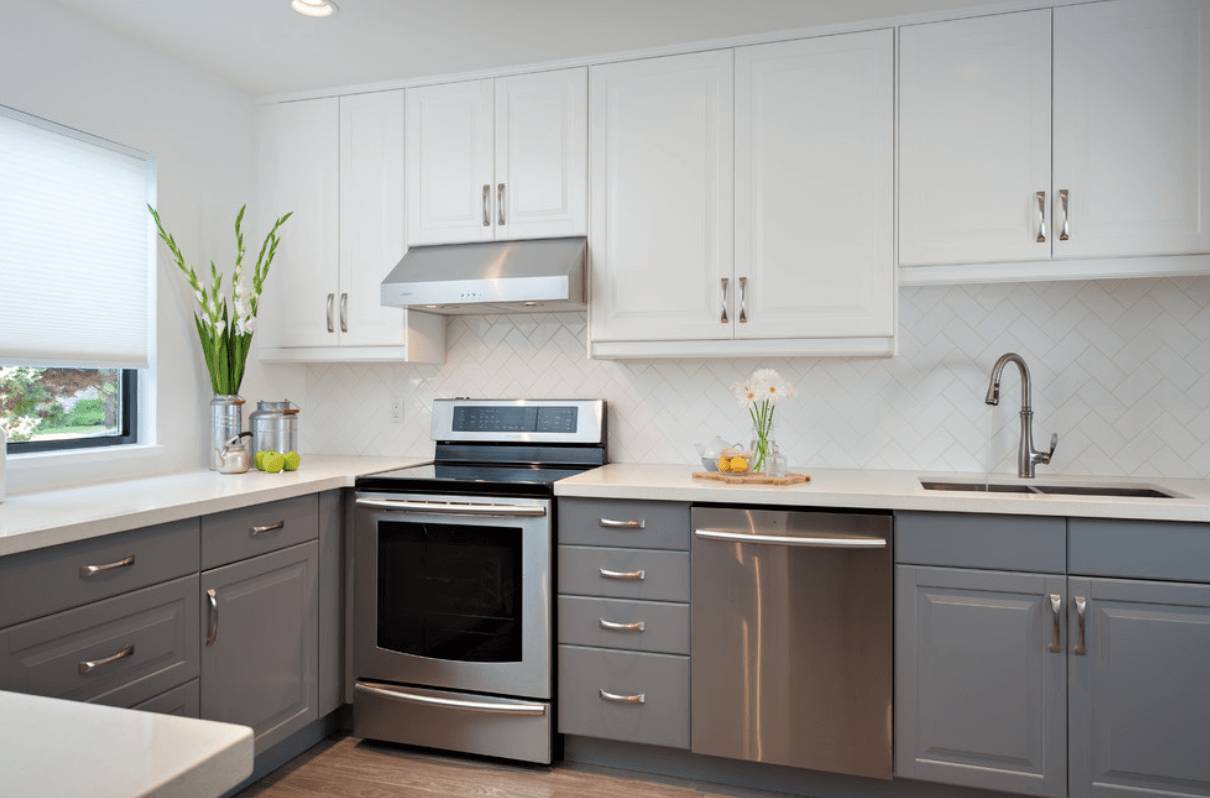
Handles are often installed on cabinet doors for easy opening and closing. They come in various shapes, including single-hole round, double-headed, single-bar, and concealed styles. In terms of materials, copper and stainless steel handles are preferable, followed by alloy and electroplated options. Avoid adhesive handles for their lack of durability; opt for screw-fixed handles for better stability.
IV. Rebounders: Consider Alternatives
Rebounders, commonly used in handle-less cabinets, may not be the most recommended option due to their susceptibility to wear and tear after a few years. For handle-less designs, consider concealed handles for cabinets and undercovers for overhead cabinets. Straighteners can be used to prevent deformation in door panels.
When signing a contract with a complete home customization factory, basic hardware is generally included without additional charges. However, functional hardware typically incurs extra fees. The aesthetic appeal of complete home customization is greatly influenced by the functionality of the hardware. Customize your functional hardware based on your specific needs.
How to Install Drawers on Industrial Aluminum Profiles
The Difference Between One-Way and Two-Way Metal Hinges in Customized Home Furniture
Related Article